

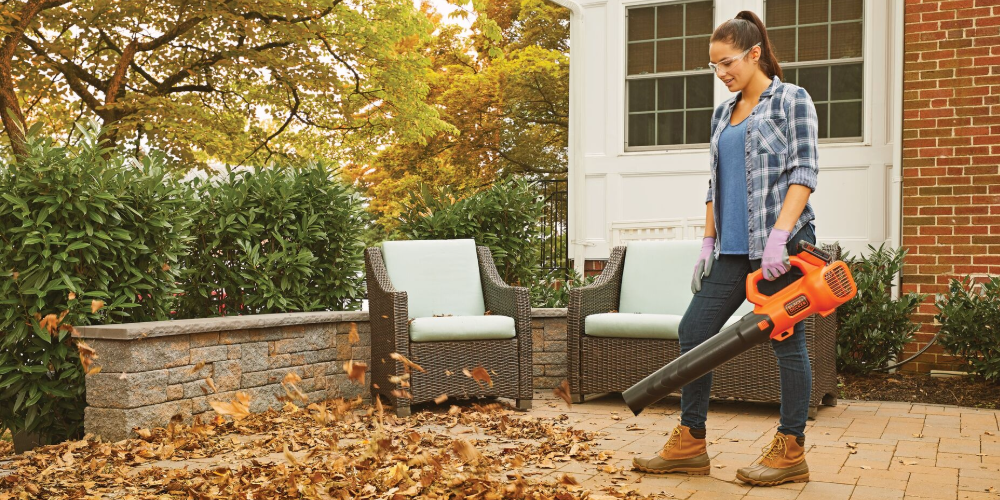
For decades, the soundtrack of autumn in American suburbs has been the unmistakable, high-pitched whine of two-stroke engines. While gas-powered tools were once the only viable option for heavy-duty yard work, the landscape is shifting. Homeowners are increasingly prioritizing tools that aren’t just powerful, but also considerate of the environment and the neighborhood’s peace.
The modern electric leaf blower has evolved from a niche alternative into a dominant force in landscaping. Today’s battery-operated and corded models offer the performance necessary to clear wet leaves and heavy debris without the fumes, vibration, or maintenance headaches associated with gasoline.
In this guide, we will explore why making the switch to electric is no longer a compromise, but a strategic upgrade for your home maintenance routine.
Table of Contents
The Evolution of Cordless Power
Not long ago, electric yard tools were tethered by extension cords, limiting your reach to the length of your nearest outlet. While corded models still have their place for small properties, the advent of high-voltage lithium-ion technology has changed the game.
Modern brushless motors provide a level of torque and efficiency that was previously impossible. These motors generate less friction, which means they run cooler and last significantly longer than their brushed predecessors. For the average homeowner, this translates to a tool that starts instantly with the pull of a trigger no more priming bulbs or yanking starter cords.
Why Sound Levels Matter More Than You Think
One of the most immediate benefits of an electric leaf blower is the drastic reduction in noise pollution. Gas blowers typically operate at 90 to 100 decibels, which can cause hearing damage over time and certainly irritates the neighbors.
Electric models usually hover between 60 and 75 decibels. To put that in perspective, that is the difference between a loud motorcycle and a normal conversation. Many municipalities are now enacting “quiet hours” or outright bans on high-decibel gas blowers. Switching to electric ensures you can clean your driveway on a Sunday morning without becoming the neighborhood pariah.
Understanding Airflow: CFM vs. MPH
When shopping for an electric leaf blower, it’s easy to get distracted by the MPH (miles per hour) rating. While wind speed is important for dislodging stuck-on debris, it isn’t the whole story.
Cubic Feet per Minute (CFM)
CFM measures the volume of air the blower moves. Think of this as the “width” of the invisible broom you are using. A high CFM allows you to move large piles of leaves quickly across a wide area.
Miles per Hour (MPH)
MPH measures the speed at which the air exits the nozzle. This is the “force” used to break loose wet leaves or heavy pine needles from the grass.
For the best results, look for a balance. A high MPH with low CFM will feel like a tiny, high-pressure straw effective for one leaf at a time but agonizingly slow for a full lawn.
The Environmental Impact of Clean Landscaping
Small off-road engines, like those found in gas blowers, lack the sophisticated catalytic converters found in cars. Consequently, they emit a disproportionate amount of carbon monoxide, nitrogen oxides, and volatile organic compounds (VOCs).
By choosing an electric leaf blower, you eliminate localized emissions entirely. When paired with a renewable energy source for charging, your yard maintenance becomes a truly carbon-neutral activity. Furthermore, you eliminate the risk of soil contamination from spilled gasoline or oil during mixing and refueling.
Ergonomics and Ease of Use
Weight is a silent killer of productivity. Gas blowers require a fuel tank and a heavy engine block, which can lead to back and shoulder strain. Electric units are significantly lighter.
Since there is no internal combustion happening, there is also virtually zero vibration. Extended use of high-vibration tools can lead to numbness in the hands a condition often called “white finger.” Electric tools allow for longer working sessions with far less physical fatigue.
Battery Life and Charging Strategies
The most common concern for those switching to cordless is runtime. “Will it last long enough to finish my yard?”
For a standard quarter-acre lot, a 4.0Ah or 5.0Ah battery is usually more than enough for a 20-to-30-minute clearing session. If you have a larger property, the best strategy is “the swap.” Keeping two batteries on hand one in the tool and one on the rapid charger allows for nearly continuous operation.
Choosing the Right Model: Handheld vs. Backpack
Depending on your physical needs and the size of your property, you’ll need to decide on the form factor.
- Handheld Blowers: Best for small to medium yards, decks, and driveways. They are highly maneuverable and easy to store.
- Backpack Blowers: Ideal for large properties or heavy-duty clearing. By shifting the weight of the batteries to your back, these models allow you to handle higher CFM outputs without straining your arms.
Maintenance: The “Set It and Forget It” Advantage
One of the most overlooked costs of gas tools is the maintenance. You have to buy fuel, mix it with oil, replace spark plugs, clean air filters, and winterize the engine every year.
Electric blowers require almost zero maintenance. Your “to-do” list consists of:
- Keeping the battery charged.
- Checking the air intake for blockages.
- Wiping down the exterior.
That is it. This saves the average homeowner hours of work and significant money in replacement parts over the life of the tool.
Best Practices for Efficient Leaf Blowing
To get the most out of your electric leaf blower, you should work with nature, not against it.
- Check the Wind: Always blow in the same direction the wind is blowing. Even a light breeze can double your efficiency.
- The “U” Pattern: Work in a large “U” shape, moving leaves toward a central tarp or collection area.
- Dry is Better: If possible, wait for a dry day. Wet leaves are significantly heavier and require more battery power to move.
- Start Low: Use the lowest power setting that still moves the debris. This preserves battery life and prevents you from blowing dust into the air unnecessarily.
Common Mistakes to Avoid
Even with the best equipment, technique matters. Avoid these common pitfalls:
- Blowing Toward Obstacles: Never blow leaves toward a fence, wall, or car. The air will blow back at you, creating a mess.
- Neglecting the Intake: Occasionally, a stray leaf can get sucked against the air intake, reducing performance. Check it periodically.
- Full Power Only: Many users keep the turbo button held down the entire time. This drains the battery 2-3 times faster. Use the variable speed trigger to modulate power as needed.
Frequently Asked Questions
1. Are electric leaf blowers powerful enough for wet leaves?
Yes. Modern high-voltage (60V or 80V) electric blowers produce enough CFM and MPH to move wet, matted leaves. However, it will consume battery power faster than moving dry debris.
2. How long do the batteries actually last?
On average, a standard battery provides 15 to 45 minutes of runtime depending on the power setting. Using a “Turbo” mode will shorten this time, while a “Low” setting for clearing hard surfaces like driveways can extend it significantly.
3. Can I leave the battery on the charger all winter?
Most modern lithium-ion chargers have smart circuitry to prevent overcharging. However, for maximum longevity, it is best to store batteries in a cool, dry place at about 50% charge if they won’t be used for several months.
4. Is a corded blower better than a cordless one?
Corded blowers offer unlimited runtime and are generally cheaper. They are excellent for small yards where you stay within 100 feet of an outlet. For anything larger, the freedom of a cordless model is worth the investment.
Conclusion
The shift toward the electric leaf blower isn’t just a trend; it’s a reflection of better technology meeting the needs of the modern homeowner. By choosing electric, you’re opting for a tool that is easier to start, cheaper to maintain, and kinder to your ears and the environment.
Whether you are clearing a light dusting of pollen from your porch or tackling a heavy autumn leaf fall, the power and convenience of electric yard care are hard to beat. It’s time to hang up the gas can and embrace a quieter, cleaner way to keep your property looking its best.