

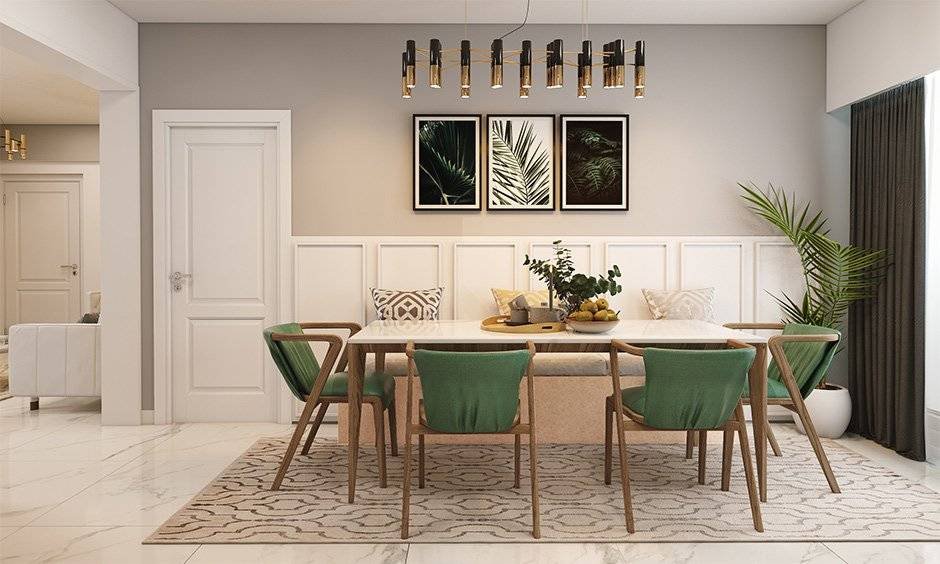
Dining chairs are one of those purchases that seem simple until you actually start looking. Then suddenly there are questions about timber tones, upholstery, seat height, back support, leg shape, durability and whether everything needs to match the table.
The good news is that choosing well doesn’t have to mean chasing whatever style is popular right now. A thoughtfully selected set of Relaxhouse dining chairs can work for years if you focus on comfort, proportion and materials that suit the way you actually live.
Table of Contents
Comfort Should Come Before Looks
A dining chair can photograph beautifully and still be uncomfortable after 20 minutes.
If you tend to linger over dinner, work at the dining table or regularly host friends, comfort matters more than you might initially think. Look at the shape of the backrest, the depth of the seat and whether the chair encourages a natural sitting position.
Upholstered seats can add softness, but well-designed timber or moulded chairs can also be extremely comfortable without padding.
If possible, think about how long people typically sit at your table. That’ll give you a much better idea of how supportive the chairs need to be.
Check the Proportions Against Your Table
Not every chair works with every dining table.
Seat height is important, but so is the width of each chair and how much space the table allows between place settings. A chunky chair can look fantastic on its own but feel cramped when six of them are pushed around a smaller table.
Armchairs require even more attention because the arms need to fit comfortably beneath the tabletop or around its edge.
It’s worth measuring everything before buying rather than relying on visual guesswork.
Matching Isn’t Mandatory
One of the easiest ways to make a dining room feel overly formal is to assume every piece has to match perfectly.
A timber table can work beautifully with contrasting chairs. A darker chair frame can add definition to a light room, while woven or upholstered details can introduce texture without competing with the table itself.
You can even mix chair styles if there’s something tying them together, such as colour, material or overall shape.
The goal is cohesion, not uniformity.
Think About Everyday Wear
Dining chairs work hard.
They’re moved constantly, bumped into tables, exposed to spills and sometimes used for far more than dining. If you have children, pets or a busy household, easy-care materials are worth prioritising.
Light-coloured upholstery may look great, but it can require more maintenance. Intricate frames may collect dust in awkward places. Very delicate finishes might show scratches sooner than expected.
None of those things are deal-breakers, but they’re worth considering before committing.
Let the Room Guide the Style
The best dining chairs usually feel connected to the room without disappearing into it.
In a minimal space, sculptural chairs can provide personality. In a room that already has plenty of visual detail, simpler seating may create balance. Timber can add warmth, while metal or slim-profile frames can help a smaller dining area feel less crowded.
Rather than choosing chairs in isolation, look at the entire space: flooring, lighting, table, cabinetry and nearby furniture.
Choose for the Long Term
Dining chairs tend to stick around much longer than smaller decorative pieces, so it makes sense to avoid buying purely because something is trendy.
A chair that feels comfortable, suits the table and works with your lifestyle is much more likely to age well than one chosen solely for its appearance.
If you still like the proportions, materials and overall shape once the latest trend has moved on, you’ve probably made a pretty good choice.