

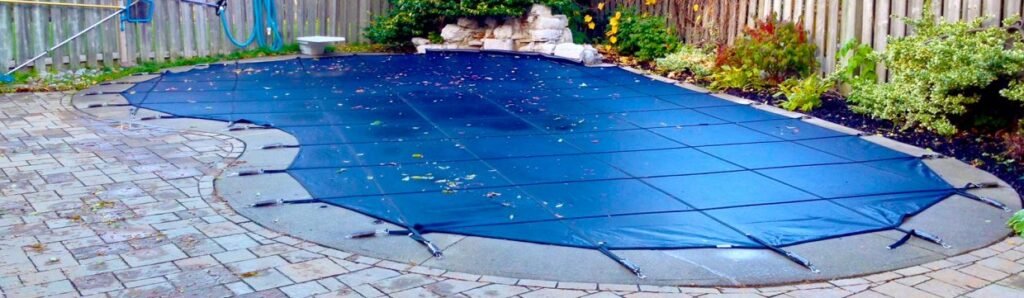
Pool covers are more than just protective layers for swimming pools; they are integral to safety, energy efficiency, and maintenance. Among the options available, automatic and manual pool covers stand out as the two primary choices. Each type offers distinct advantages and limitations, and understanding their performance, lifespan, and long-term value is essential for pool owners seeking the best solution for their needs.
Table of Contents
Performance Differences Between Automatic and Manual Covers
Automatic pool covers are designed for convenience. With the push of a button or turn of a key, the cover extends or retracts across the pool, saving time and effort. This ease of use encourages consistent application, which means the pool is more often protected from debris, evaporation, and unauthorized access. Automatic covers also tend to provide a tighter seal, enhancing safety and energy efficiency.
Manual pool covers, on the other hand, require physical effort to position and remove. They may involve pulling a tarp-like material across the pool or using a reel system to roll and unroll the cover. While effective, manual covers are less likely to be used consistently because of the effort involved. Their performance in terms of sealing and protection can vary depending on the design, but they generally do not match the precision of automatic systems.
Lifespan and Durability Considerations
The lifespan of a pool cover depends on material quality, frequency of use, and maintenance. Automatic covers are typically constructed with durable fabrics and reinforced mechanisms, designed to withstand frequent operation. However, because they involve motors, tracks, and electrical components, they may require occasional servicing or repairs. When properly maintained, automatic covers can last a decade or more, though mechanical parts may need replacement during that time.
Manual covers are simpler in design, with fewer moving parts. This simplicity often translates into fewer mechanical failures and lower maintenance requirements. However, the fabric or tarp material may wear out faster due to manual handling, exposure to sunlight, and repeated folding or rolling. Lifespans for manual covers generally range from five to seven years, depending on usage and care.
Long-Term Value and Cost Analysis
Cost is a major factor in deciding between automatic and manual pool covers. Automatic covers involve a significant upfront investment, often several times the cost of manual options. Installation requires professional expertise, and repairs can be more expensive due to the complexity of the system. However, the convenience, safety, and energy savings they provide often justify the expense over time. By encouraging consistent use, automatic covers can reduce heating costs, minimize water loss, and extend the life of pool equipment, ultimately delivering strong long-term value.
Manual covers are far more affordable initially, making them attractive for budget-conscious pool owners. Their lower purchase price and simpler installation reduce financial barriers. However, the effort required to use them consistently can diminish their long-term value. If a manual cover is left unused, the pool may suffer from higher maintenance costs, increased energy consumption, and greater water loss. While manual covers can be cost-effective, their value depends heavily on the owner’s commitment to regular use.
Real-World Applications and Owner Preferences
Automatic covers are often favored by families with children, as they provide superior safety and ease of use. They are also popular among pool owners who prioritize convenience and energy efficiency. Manual covers, meanwhile, are common in smaller residential pools or among owners who prefer a low-cost solution and are willing to put in the effort to use them regularly. The choice often comes down to lifestyle, budget, and priorities.
Conclusion
The decision between automatic and manual Perth pool covers is not simply about cost—it is about performance, durability, and long-term value. Automatic covers excel in convenience, safety, and efficiency, offering strong returns on investment despite higher upfront costs. Manual covers provide affordability and simplicity but rely on consistent effort to deliver their benefits. For pool owners, the right choice depends on balancing immediate budget considerations with long-term goals for safety, maintenance, and energy savings. In every case, a pool cover is a vital tool that enhances the enjoyment and sustainability of pool ownership.