

Electrical systems keep our homes, workplaces, and community spaces running smoothly every single day. But like anything we rely on—cars, appliances, even our own bodies—they need regular checkups to stay safe and efficient. That’s where professional electrical safety inspections come in. These inspections aren’t just about compliance. They’re about protecting your property, preventing hazards, and giving you peace of mind.
Whether you’re a homeowner, a business owner, or someone responsible for building management, understanding how expert electricians approach safety inspections can help you feel more confident in the process. And as you’ll see, these inspections are far more detailed—and far more valuable—than many people realise.
Table of Contents
What an Electrical Safety Inspection Really Involves
Most people imagine an electrician simply glancing at a switchboard and confirming that everything looks fine. In reality, a proper safety inspection is a step-by-step evaluation of how electricity moves through your entire space. It’s a bit like having a mechanic inspect not just your car’s engine but also the brakes, fluids, tyres, and suspension.
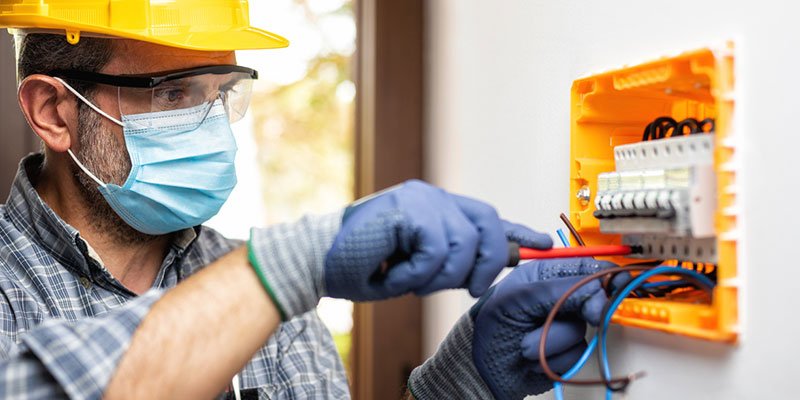
Electricians usually start by looking at the main switchboard. This is the “heart” of your electrical system, directing power to different areas. They check for signs of overheating, loose wiring, outdated components, or improper labelling. In older homes, they may find old fuse boxes or wiring types that haven’t been used in decades.
They also inspect outlets, switches, power points, lighting systems, smoke alarms, and protective devices. Many issues are invisible to the untrained eye—tiny scorch marks behind outlets, tripped residual current devices (RCDs), or circuits carrying more load than they were designed for. Something as small as a loose connection can create heat, and heat is one of the biggest contributors to electrical fires.
One of the most important parts of the process is identifying hazards before they become emergencies. For example, if a business relies on heavy-duty equipment, expert electricians check whether the wiring matches the load requirements. If a home has recently undergone renovations, the electrician will confirm that everything complies with modern electrical standards.
And if you’ve ever walked through an industrial facility, you know that electrical systems can be incredibly complex. From conveyor belts to refrigeration units to automated machinery, everything must work together safely. These industries depend heavily on risk assessment, a concept you’ll often see applied in fields such as building safety and even aviation, where avoiding hazards is a critical function.
Why These Inspections Matter More Than Most People Realise
Electrical issues are one of the most common causes of residential and commercial fires. Many of these incidents start quietly—no smoke, no sparks—just heat slowly building up inside a cable, an appliance, or a wall cavity. By the time a homeowner notices something is wrong, the damage may already be significant.
This is why expert electricians take the time to review not just what’s visible but what’s behind and beneath the surface. They evaluate circuit loads, wiring health, grounding integrity, protective devices, and the overall age of your system.
Consider a home that still uses original wiring from the 1970s. The insulation around those wires may have deteriorated. The circuits may not have been designed for today’s power-hungry appliances—air fryers, gaming setups, portable heaters, or large fridges. A safety inspection can reveal these mismatches before they lead to risk.
Or imagine a small café relying on several commercial appliances at once. The electrical load at peak hours might be double what the original building design anticipated. Without proper upgrades, components wear down faster, increasing the risk of fire.
Even something as common as overloaded power boards can be dangerous. Many homeowners use these for convenience, but without proper circuit protection, they can pose a fire hazard. An experienced Atlanta electrician knows exactly what signs to look for.
Electrical safety inspections also help identify issues that can quietly raise your bills—such as inefficient lighting, outdated wiring, or circuits that trip frequently. Fixing these issues improves safety and saves money in the long run.
How Expert Electricians Ensure Accuracy and Reliability
There’s a reason electrical inspections require skilled professionals—they combine experience, technical knowledge, and specialised tools. While homeowners can spot surface-level warning signs like flickering lights or discoloured outlets, electricians can diagnose what’s really happening inside the system.
They often use thermal imaging cameras to detect heat behind walls, voltage testers to confirm safe operation, and grounding testers to ensure circuits can handle sudden surges. These tools help electricians collect accurate data, resulting in clear recommendations.
But beyond technology, what truly makes the process reliable is the electrician’s judgment. Years of training allow them to notice details most people would never see, such as:
- A single cable that’s slightly out of place
- A protective device that feels too warm
- A breaker that trips in a pattern that indicates deeper issues
- A switchboard layout that suggests previous DIY electrical work
In commercial settings, inspections become even more thorough. Businesses often have multiple circuits, three-phase power, industrial machinery, and strict compliance requirements. Electricians check everything from emergency lighting to surge protection to ensure the business meets safety regulations.
This helps avoid costly downtime and protects both staff and customers. Many companies across industries—from manufacturing to hospitality—schedule inspections annually to prevent disruptions and ensure operational continuity.
Some homeowners worry that inspections will lead to long lists of required repairs. But in most cases, electricians simply provide recommendations, not requirements. The inspection empowers you with information so you can make smart decisions about upgrades, repairs, or preventive maintenance.
When Property Owners Should Consider a Safety Inspection
While many people schedule inspections only when something “feels off,” expert electricians recommend doing them at predictable moments in your property’s life cycle. It’s much like getting your car serviced before a long road trip, rather than waiting for the engine light to come on.
You should consider an inspection if:
- You’re buying or selling property.
- Your home is over 20 years old.
- You’ve had water or storm damage.
- You rely heavily on extension cords or power strips.
- You’ve added new appliances or equipment.
- Your lights flicker or breakers trip often.
- You’re renovating or adding new rooms.
Regular inspections ensure your electrical system stays up to date as your lifestyle or business operations change. They help prevent accidents, improve efficiency, and boost the overall value of your property.
As part of maintaining a safe environment, many property owners also educate themselves about the importance of electrical wiring and its role in distributing power throughout buildings. This kind of knowledge makes inspections easier to understand and highlights why professional expertise matters.
If you ever need reliable, qualified professionals, you can explore expert electricians for safety inspection, who specialise in helping property owners ensure that their electrical systems are safe and compliant.
Final Thoughts: Peace of Mind Through Professional Care
A safety inspection isn’t just a checklist—it’s a protective layer around your home or business. Expert electricians combine careful assessment, technical precision, and real-world experience to uncover risks that aren’t visible to the average person. Their work prevents fires, extends appliance life, and helps ensure that every switch, outlet, and circuit in your space operates as it should.
In a world where we rely on electricity every minute of the day, there’s real comfort in knowing your system is safe. And a professional safety inspection is one of the smartest, simplest steps you can take to protect what matters most.