

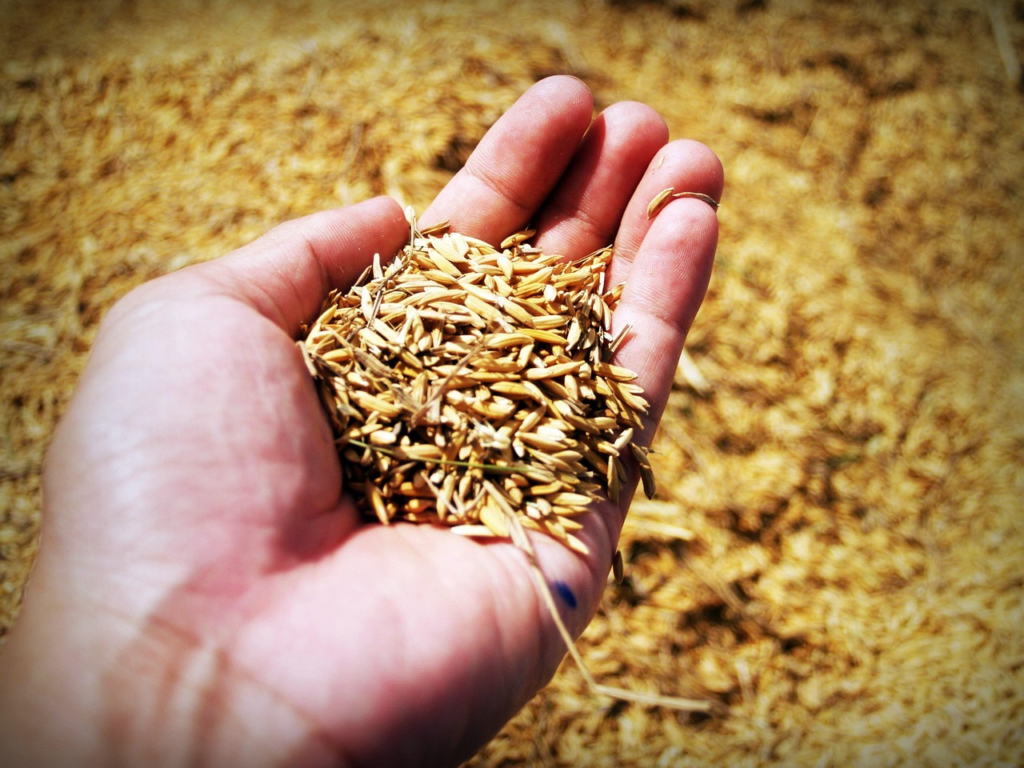
Modern farms look nothing like they used to.
Guessing moisture content and hoping for the best at harvest time is a thing of the past. Precision agriculture technology is transforming every stage of crop handling — from field to fork.
And you know what’s wild… this is not science fiction. The global smart agriculture market hit $18.7 billion in 2024. And it’s growing rapidly.
But which equipment is actually worth the investment?
Table of Contents
Why Smart Farming Tech Is A Big Deal
Crop processing has always been the bottleneck of farming.
You can produce the highest yielding wheat, barley, or maize variety in the world… but if the post-harvest process breaks down, all that effort is wasted. Literally.
Did you know: around one-third of food produced globally is lost or wasted each year. This is approximately 1.3 billion tons! Most of that occurs during post harvest processing due to improper drying techniques, storage, and antiquated equipment.
Smart farming technology addresses each of those issues. Moisture sensors report in real time. Climate-control systems change drying temps automatically. And data dashboard displays give farmers insight into the entire process.
Pretty wild, right?
The Equipment Changing Crop Processing
Time to look at the actual gear.
Buzzwords fly around about smart technology, but these few articles drive real impact in processing crops. Read on.
Modern Grain Dryers
There’s no doubt that grain drying requires by far the most energy out of any crop processing stage. This makes investing in a reliable grain dryer for sale one of the wisest investments any arable farmer can make. After all, grain dryer running costs can take significant shares of a farm’s yearly budget if purchased poorly.
Modern grain dryers come packed with features that older models can only dream of:
- Automated moisture sensors
- Heat recovery systems
- Variable fuel input
- Remote monitoring
These features don’t just sound impressive. They actually reduce grain dryer operating costs by saving fuel, reducing labour requirements and preserving grain quality.
IoT Sensors and Monitoring
Farm automation now allows sensors all over the place. They track grain temperature in bins and humidity in dryers. The readings go back to a central computer, identifying issues before costly catastrophes happen.
Say your stored wheat begins generating heat because of pockets of moisture… You receive a notification to your phone. Resolve the issue before the entire batch spoils.
Automated Conveyor Systems
Traditional grain handling involved a lot of manual work — handling, shovel lifting. Conveyor systems transfer grain from dryers and silos to trucks with little human intervention. Farms looking to expand their setup can browse grain silos for sale to find the right capacity for their operation.
The result? Less labour, faster processing, and reduced grain damage.
Grain Dryer Running Costs Explained
Want to know where most farms haemorrhage money? Drying.
Start with why propane is ideal for drying grain. It’s because propane works incredibly efficiently, and it’s all thanks to two words: heat output.
Dryer fuel matters because drying grain consumes a lot of energy. That’s because energy costs can account for 7 to 16% of a farm’s total expenditures, and a large majority of that is from drying costs.
But here’s the good news…
Current grain dryers can have a significant impact on grain dryer running costs. Newer models can decrease fuel consumption by 30-40% compared to older dryers simply through better heat and air management.
What Affects Grain Dryer Running Costs?
Lots of variables are involved. Knowing them allows you to operate your grain dryer for the lowest costs possible:
- Type of fuel: propane, natural gas, biomass, or electric — each will vary in cost.
- Initial moisture content: Wetter grain takes more energy to dry. Simple as that.
- Drying temperature: Higher temperatures dry faster but use more fuel.
- Heat recovery features: Modern dryers recycle heat to slash fuel use.
- Dryer size and capacity: Matching dryer capacity to harvest volume is critical.
Tip: Consider lifetime running costs, rather than purchase price alone. Even if a dryer has a low purchase price, if it is inefficient it may end up costing more to run over its lifetime than a higher priced dryer with efficient features.
How To Reduce Grain Dryer Running Costs
Lowering grain dryer running costs comes down to a few key practices:
- Pre-dry in the field: Let crops dry naturally before harvest where weather allows.
- Recover heat: Many new dryers recycle heat that would normally escape.
- Monitor moisture closely: Over-drying wastes fuel and reduces saleable weight.
- Service equipment regularly: A well-maintained dryer runs at peak efficiency.
How To Pick The Right Tech For Your Farm
Not every piece of smart farming tech is right for every operation.
A small diversified farm will have vastly different technology requirements than a 5,000-acre corn operation. The challenge is identifying where your business wastes the most money or time — then choosing technology that fixes that weakness.
Start With The Bottleneck
What’s holding your farm back?
If grain quality continues to decline during storage, target your sensors. If drying is breaking your budget, invest in the dryer. If labour costs are spiraling, consider automation.
Match the tech to the problem — not the other way round.
Consider Future Growth
Smart farming technology can be expensive. You want tools that can scale with your operation. Seek out modular machines you can upgrade, machinery that works with other smart technology and established brands with support networks.
Don’t Forget Training
Ok, here’s a little secret that most farmers find out the hard way… Technology is only as good as the people who use it. Train your employees how to use the technology (or hire someone who knows how to use it), otherwise investing in smart farming technology is one of the leading causes for failure.
Bringing It All Together
Crop handling has come a long way. Literally.
The advancements in smart farming technologies help manage farm operations from drying to storage to transportation. Upgrade your equipment to reduce grain dryer operating costs, minimize post-harvest losses, enhance grain quality, save labour and time, and increase profitability.
The quickest farms to adapt are the ones that will be around in 10 years. If not… Catch up!
Begin small. Target the largest pain point in your operation. Choose a piece of equipment that addresses that problem and build your system around that. Becoming a smart farmer doesn’t mean going out and replacing all of your tools tomorrow. It means leveraging technology to make informed decisions that save you money and yield better crops season after season.