

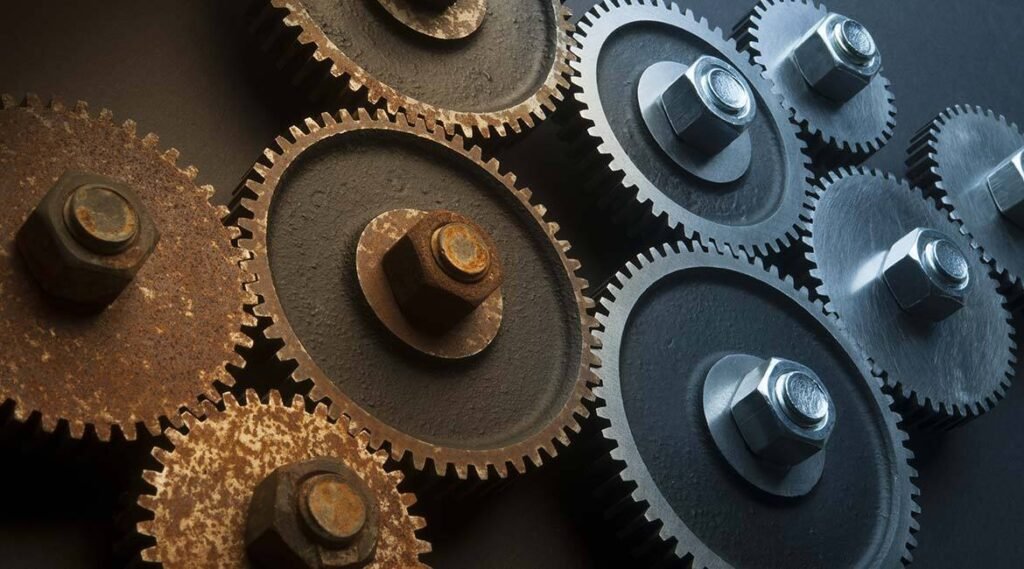
When it comes to construction and maintenance projects, corrosion is one of the silent enemies that can undermine the integrity of your work. While the materials themselves often get attention for their strength or aesthetic qualities, the importance of corrosion resistance is sometimes overlooked. Understanding what corrosion resistance truly offers on-site can save time, reduce costs, and ensure the longevity of structures.
Table of Contents
Reduced Maintenance and Repairs
One of the most immediate benefits of corrosion-resistant materials is the reduced need for ongoing maintenance. On-site, structures are exposed to the elements, whether metal frameworks, fixtures, or fasteners, are constantly under stress from moisture, salt, chemicals, and even temperature fluctuations. Materials prone to corrosion require regular inspections, treatments, or replacements to prevent failure.
Using corrosion-resistant alternatives, such as stainless steel, minimizes these maintenance demands. For instance, when you choose to use steel screws, you avoid frequent tightening, replacement, or anti-rust treatments. This not only saves labor costs but also reduces project downtime caused by repair work. Over the lifespan of a project, these savings can be substantial, making corrosion-resistant materials a smart long-term investment.
Enhanced Safety on Site
Safety is paramount in any construction environment, and corrosion can compromise it in ways that are not immediately visible. Rust weakens metal components, potentially leading to structural failures, snapped fasteners, or loose fittings. Such incidents can pose serious risks to workers and end-users alike.
By incorporating corrosion-resistant materials, you effectively mitigate these hazards. Corrosion-resistant screws, bolts, and fixtures maintain their structural integrity over time, ensuring that joints, beams, and frames remain secure. The result is a safer worksite where the risk of accidents caused by material failure is significantly reduced.
Improved Durability and Longevity
Durability is closely linked to cost efficiency. While the upfront cost of corrosion-resistant materials may be higher than standard alternatives, their ability to withstand environmental stressors often leads to a longer service life. This durability is particularly critical for outdoor projects, coastal constructions, or industrial environments where exposure to corrosive agents is unavoidable.
On-site, long-lasting materials mean fewer replacements and less disruption. Corrosion-resistant fasteners, for example, hold up against weathering, chemical exposure, and heavy loads, maintaining the structural integrity of assemblies for years. This ensures that completed projects not only meet safety standards but also retain their quality and appearance, even in harsh conditions.
Preserved Aesthetics
Corrosion doesn’t just compromise structural performance; it also affects visual appeal. Rust stains, discoloration, and surface pitting can quickly make a project look neglected or poorly executed. For architectural projects, public installations, or visible metalwork, aesthetics matter as much as function.
Using corrosion-resistant materials helps maintain the original look of the project. Stainless steel screws and fittings, for instance, retain their finish and shine over time, contributing to a professional and polished appearance. This is particularly important for projects where visual impression reflects the quality of workmanship and attention to detail.
Time and Cost Efficiency
Ultimately, corrosion resistance translates into measurable efficiency gains on site. Reduced maintenance, fewer replacements, and minimized downtime combine to make projects more predictable and cost-effective. Contractors and site managers can allocate resources more strategically, focusing on essential work rather than reactive repairs.
Even in projects with tight budgets or schedules, investing in corrosion-resistant components like steel screws proves worthwhile. The small upfront expense is offset by long-term savings, enhanced safety, and a final build that stands the test of time.
Conclusion
Corrosion resistance is more than just a material specifications, it’s a practical safeguard for any construction or maintenance project. By reducing maintenance needs, enhancing safety, improving durability, preserving aesthetics, and boosting overall efficiency, corrosion-resistant materials deliver tangible benefits on site. Selecting the right components, from structural metals to fasteners, ensures that your work remains strong, safe, and visually appealing well into the future.