

Table of Contents
Introduction
Italy is known for both its mouthwatering culinary delights and its wide range of alcoholic beverages, enjoyed with snacks and meals. All these drinks can be best savored in appropriate cocktail glasses, which enhance their flavors and aromas. This article will help you make sense of both the drinks and the glasses to serve them, and help you bring out the best in Italian cocktails.
The Italian Drinking Culture
In Italy, life revolves around socializing with family and friends while indulging in freshly made food and flavorful drinks. However, the emphasis is on taste and quality, not quantity, and excessive drinking is not accepted. Most people prefer to have a drink with food, and alcohol abuse is one of the lowest in Europe.
The aperitif is an important Italian tradition that takes place before dinner, usually between 6 and 9 p.m. It is interesting to note that Italians, like most people living in the Mediterranean, eat dinner late. The aperitif involves friends getting together for a drink and light nibbles such as olives, cured meats, cheese, and crostini. The pre-dinner drinks or aperitifs are generally low in alcohol, such as the Aperol Spritz and Campari and soda.
To end dinner, Italians serve digestifs, making for a pleasant end to a good meal with a bonus of improved digestion. Typically, only one shot is consumed, and it is drunk slowly to savor the flavors. Favorite Italian digestifs include grappa, amaro, and limoncello.
Why the Italians are Particular About Using Specific Glasses for Different Drinks
Aesthetic Appeal
Although taste is important, we also drink with our eyes. If the drink looks attractive, we are more likely to enjoy it. Different glass shapes highlight a drink’s characteristics. For example, the coupe glass with a wide, shallow bowl looks appealing when it is filled with a garnished cocktail. Think olives, cherries, or orange peel. The tall and straight highball glass showcases the layered look of drinks with different densities.
To Enhance the Aroma
The aroma of a drink influences how we perceive the flavors. Different glasses enhance or concentrate the aroma of various drinks and so make the experience more enjoyable. For example, flute glasses have narrow shapes and, while preventing the bubbles of Prosecco from disappearing too quickly, concentrate the fruity and floral aromas. Glasses with wide mouths, like rocks glasses, Martini glasses, and coupe glasses, allow the aroma to spread so that you can savor it.
To Control the Temperature
The temperature at which a drink is served is important. Some drinks should be served at room temperature, but most are served chilled. Glass thickness affects how quickly a cold drink warms up. The rocks glass, for example, is short and the glass is thick, so if you want a cold cocktail like a Negroni, the drink will stay cool for longer than if the glass were thin. Many glasses have stems, and these prevent you from holding the bowl and so warming up the glass.
To Enhance the Flavor
The shape of a glass impacts the flavor. The small size of a shot glass, for example, doesn’t allow for much aeration, so it preserves the potent flavor of the spirit. A wide rim, like in a Martini glass, allows volatiles to dissipate rapidly. This lessens any harshness in the alcohol.
Most Common Italian Cocktails
Before Dinner Liqueurs/Aperitivos
Campari
Campari is generally drunk as an aperitif. Its recipe is a secret, but it is a blend of herbs, spices, fruits, and roots. Its flavor profile is bitter, with a slightly sweet taste. There are notes of cherry, rhubarb, cinnamon, clove, and citrus. The bitterness makes it versatile because it balances the sweet flavors of other spirits and mixers when used in a cocktail. Campari was created by Gaspare Campari in 1861 in Novara, Italy.
Campari and Soda is a classic Italian aperitif. The soda water adds a refreshing taste that balances the bitterness of the spirit. It is the perfect choice for a hot summer’s day.
For those who want to enjoy the full intensity of the Campari flavor, Campari on the Rocks is an ideal drink. Just pour Campari over ice in a rocks glass and enjoy the complex flavors without the spirit being diluted too much.
Aperol Spritz
The Aperol Spritz is the perfect drink for a warm day. It is refreshing and easy to make, with just three ingredients: Aperol, Prosecco, and soda water. It is usually served in a wine glass over ice and garnished with a fresh orange slice. It is a wonderful combination of bubbles, bitterness, and sweetness.
Aperol was invented by the Barbieri brothers in 1919, but it was after WWII that the Aperol Spritz was created. It has risen in popularity since 2000.
The drink is composed of three parts Prosecco, 2 parts Aperol, and 1 part soda water. A dry Prosecco is the best choice for this aperitif.
Prosecco
Prosecco is a DOC or DOCG sparkling white wine produced mainly in the Veneto region. It is made from the Giera grape and ranges from dry to semi-sweet. It is considered to be Italy’s answer to Champagne.
Martini
A martini is a classic cocktail, often associated with James Bond, and is traditionally made with gin and dry vermouth. It is garnished with an olive, is crisp, and has a botanical flavor. It is considered a sophisticated drink. There are variations with vodka sometimes replacing the gin.
After-Dinner digestifs
Italians enjoy a post-dinner drink, which is usually small and has a mid to high ABV. It is generally served cold in a cordial glass, although grappa can be served at room temperature.
Amaro
Amaro is found all over Italy. It is made by infusing a clear alcohol with roots, herbs, spices, extracts, and citrus, and sweetening it with a little sugar.
Limoncello
Limoncello is a sweet lemon-based liqueur originally from the Amalfi coast but now enjoyed all over the country. It is served neat and very cold for the best flavors. The liqueur is generally kept in the freezer and is made by macerating lemon peel with sugar and a clear spirit such as vodka.
Mirto
Mirto is a dark red/purple color and is made from macerated myrtle berries that have been sweetened. It is best served directly from the freezer in a cordial glass.
Sambuca
Sambuca is a clear anise-based Italian digestif, originally from Ischia in Campania. It is often served containing a couple of coffee beans and set alight for a striking effect.
Grappa
Grappa is made from leftover grape skins and seeds from the winemaking procedure. This is infused into grain alcohol like vodka. It is odorless unless it is flavored with honey, making it less strong.
Cocktails
Negroni
The Negroni is a timeless Italian cocktail. It has just 3 ingredients: gin, Campari, and sweet vermouth. The sweetness of the sweet vermouth tempers the bitterness of the Campari.
Americano
The Americano is a refreshing cocktail that mixes Campari, sweet vermouth, and soda water. As with the Negroni, there is a balance between sweet and bitter.
Negroni Spagliato
Negroni Spagliato translates to ‘wrong Negroni’ and was created by mistake. The story goes that a Milanese barman put Prosecco into a Negroni instead of gin and so created this version.
Boulevardier
The Boulevardier is similar to the Negroni, but it replaces the gin with whiskey. Instead of a crisp drink, the Boulevardier is rich and warming. The recipe calls for a higher proportion of whiskey compared to the gin in a Negroni, allowing it to cut through the bitter Campari and the herbal sweet vermouth.
Garibaldi
The Garibaldi is a simple drink with just Campari and orange juice. It was named after Giuseppe Garibaldi, who was crucial in the liberation of Italy and Uruguay. The red-orange drink is similar to the red shirts worn by Garibaldi’s supporters. Early versions of the drink had equal measures of orange juice and Campari, but now most Garibaldi cocktails contain more orange juice than Campari, creating a better balance.
Bellini
A Bellini is a mix of peach puree and Prosecco, which makes it a pale pink color. It has delicate floral flavors and is a popular drink at brunches and celebrations. It was invented sometime between 1934 and 1948 by Giuseppe Cipriani, who was the founder of Harry’s Bar in Venice. This famous bar is in every Venice guidebook as the place to see, since it has been a favorite gathering place for many Hollywood legends, artists, and writers over the years.
Hugo Spritz
The Hugo Spritz is a refreshing summery drink. It is a blend of elderflower cordial, Prosecco, soda water, fresh mint, and lime. The drink is floral in aroma and citrusy in flavor. The mint makes for a cleaner-tasting spritz than the bitter Campari cocktails.
Types Of Glasses
HIghball Glass
Highball glasses are tall and thin and hold between 8 and 12 fluid oz. They are perfect for drinks on ice and with mixers, such as Campari and soda, the Americano, and the Garibaldi. These glasses don’t have stems, so you naturally warm the drink with your hands, but this is counteracted by the ice.
These drinks can also be served in a Collins glass, which is narrower and taller than a highball glass. Collins glasses contain 10 – 14 fluid oz. They keep the drink carbonated for longer because the surface area of the drink is reduced.
Rocks Glass
The rocks glass (or lowball) is squat and is used to serve drinks with large ice cubes. These cubes don’t melt quickly, so it doesn’t matter that there isn’t a stem for you to hold the glass by. The warmth of your hand will barely affect the temperature of the drink, especially as the glass is thick.
Rocks glasses are perfect for spirit-forward drinks without a mixer, such as Campari on the Rocks, the Negroni, and the Boulevardier. The wide brim allows the aromas to breathe, so it is a great cocktail glass for these fragrant drinks.
These cocktail glasses hold 6 – 8 fluid oz in a single glass and 12 – 14 fluid oz in a double glass.
Flute Glass
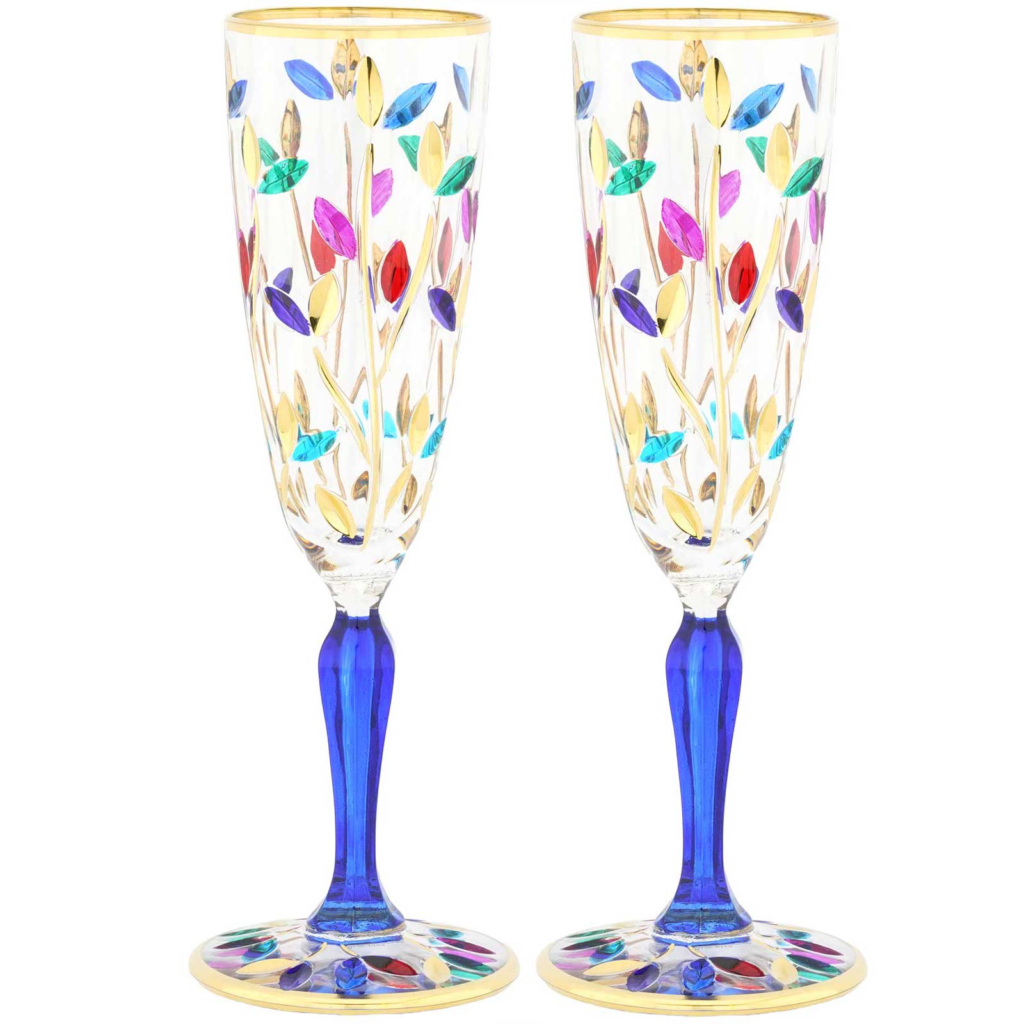
Flute glasses are perfect for drinks such as Champagne, Prosecco, and the sparkling cocktails such as Bellini. The narrow shape and small rim keep the drinks carbonated for longer, while the stems stop you from holding the bowl and warming the liquid inside.
Wine Glass
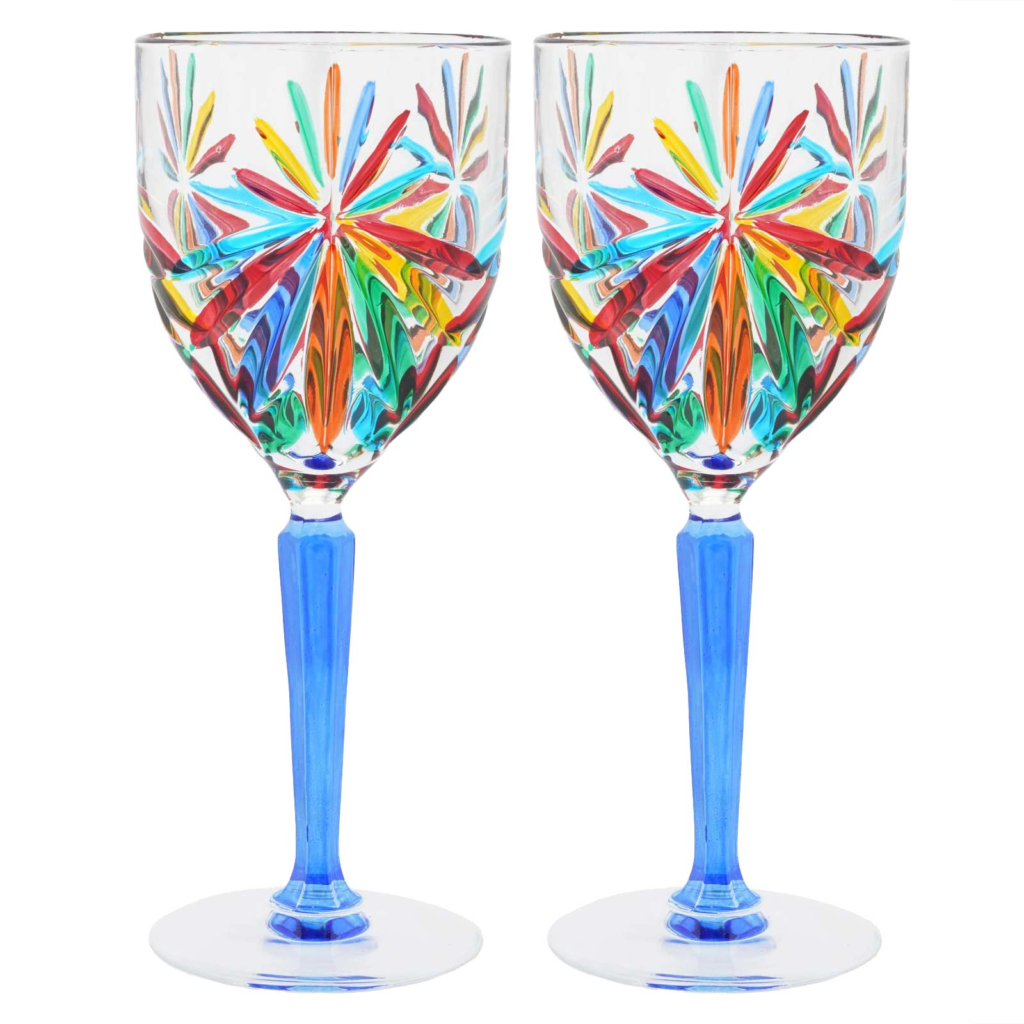
Wine glasses are, of course, used primarily for wine, but they are also the perfect vessel for the Aperol Spritz. Firstly, the cocktail is a bright color that looks perfect in a large, clear glass, and secondly, it benefits from a larger pour as the drink has low alcohol content. The shape also allows good oxygen exposure, meaning that the aromas and flavors are enhanced.
A standard white wine glass holds around 12 fl. oz., while a red wine glass holds between 12 and 16 fl. oz.
Coupe and Martini Glasses
Coupe and Martini glasses are similar, and both look sophisticated and stylish. Coupe glasses have a wide and rounded bowl and were originally used for champagne before flutes came into fashion. Martini glasses have a deep conical bowl, which showcases the classic Martini to its best effect.
Both glasses are used for drinks served ‘up’ rather than on the rocks. They are also used for cocktails, which are shaken or stirred separately before being poured into the chilled glass.
Coupe glasses hold between 6 and 8 fluid oz, while a Martini glass holds 8 fluid oz. Neither hides the color nor the clarity of your drink. Just imagine a cold, clear gin martini decorated with a green olive served in a classic Martini glass.
Cordial and Shot Glasses
A Cordial glass is used for digestifs enjoyed after a meal. They are tulip-shaped with a stem to prevent your hands from warming the glass. If you don’t have any cordial glasses, shot glasses will do – they are small with no stem and are often used for the same types of drinks. Digestifs are generally best served very cold. The tulip shape concentrates the aroma of the liqueur while being just the right size for a drink with high alcohol content. The glass is usually filled halfway, which allows the aromas to develop. Cordial glasses are best kept in the freezer as they give an authentic look when they come out frosted.
Final Thoughts
The Italians got it right by using specific cocktail glasses for different drinks. The right glass can enhance both flavor and aroma, and control the temperature of the liquid inside. Not only this, but an aperitif, digestif, or cocktail looks much more appealing if it is served in the right cocktail glass. Stock up your bar with the right kinds of cocktail glasses, and your friends will surely notice next time you invite them to dinner or throw a party.